
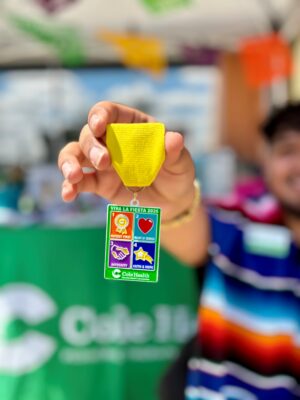
Hispanic Heritage Month,
celebrated from September 15 to October 15, is a time dedicated to recognizing the histories, cultures, and contributions of Hispanic and Latino Americans. We proudly serve vibrant Hispanic and Latino communities across Texas, North Carolina, Washington, and Washington, D.C.
This season serves as a reminder for us to evaluate how well we are fulfilling our commitment to every family we support. We are continually enhancing our bilingual clinical capacity, expanding our Spanish-language family resources, and attentively listening to the needs expressed by our communities.
If you have any feedback on how we can improve our services for your family, we welcome your input
Celebrating Bilingualism as a Cognitive Strength
Research on bilingualism consistently documents cognitive advantages associated with managing two language systems — including enhanced executive function, cognitive flexibility, and attention control. These are not small benefits. They represent a genuine cognitive strength that your child is building every day, simply by moving between languages.
Bilingualism is not something to work around in therapy. It is something to build on. The goal of speech therapy for a bilingual child is never to favor one language over another — it is to support the child’s full communication across both languages, in whatever contexts they use them.
Common Barriers Hispanic and Latino Families Face in Accessing Therapy
Our families have expressed that the obstacles to obtaining pediatric therapy often extend beyond language. These barriers include:
- Unawareness of available services or whether a child is eligible
- Distrust of clinical institutions
- Cultural differences in the understanding and discussion of developmental issues within the family
These barriers are real, and recognizing them is the crucial first step toward addressing and overcoming them. If a bilingual child is struggling with language development, the difficulty will appear in both languages — not just one.
What a Culturally Responsive Speech Evaluation Looks Like
To properly evaluate a bilingual or Spanish-speaking child, a clinician needs to understand how bilingual language development works.
Key parts of this evaluation are:
- Testing in Both Languages: It’s important to test the child in their native languages—not just English—using tools designed for bilingual kids or adjusted for their preferred langugae.
- Getting Family Input: It’s crucial to gather information from parents about the child’s language history, how they use languages at home, and how much they are exposed to each language.
- Differentiating Language Differences from Disorders: It’s important to know the difference between a language difference (a normal part of bilingual development) and a language disorder (a serious issue needing help).
If you are a bilingual or Spanish-speaking family with questions about your child’s development, we would love to connect. Our team serves families across 24 locations and is committed to culturally and linguistically responsive care. Hablamos español! Reach out to your nearest location to schedule a consultation — in whatever language feels most comfortable for your family.
