
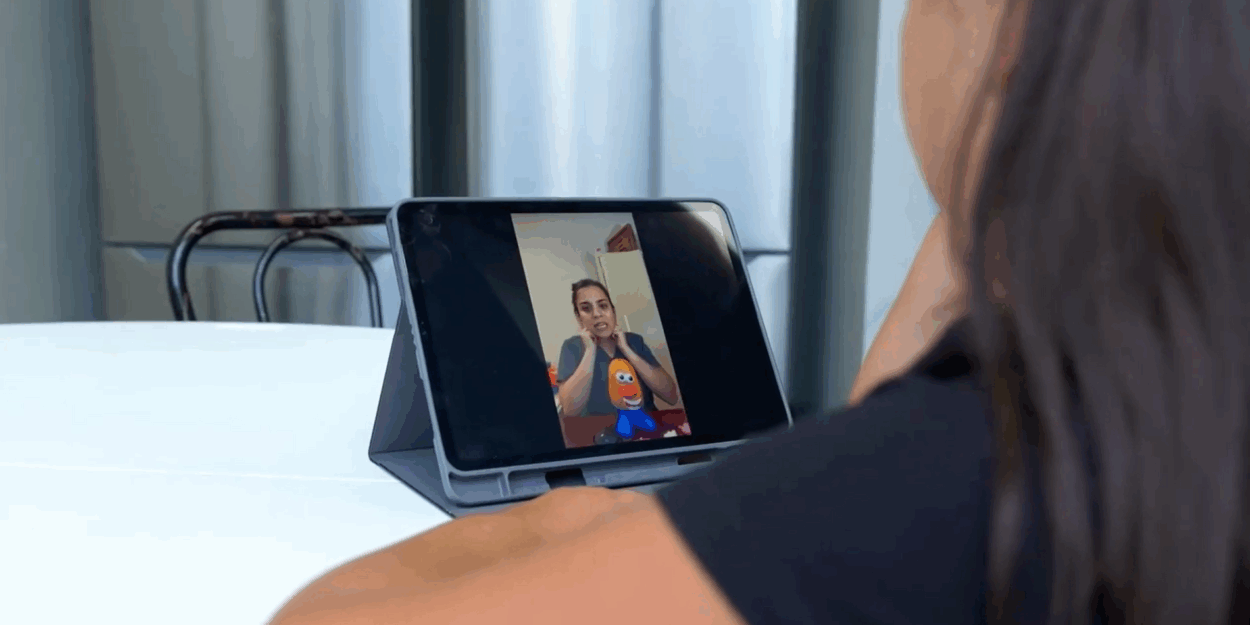
What Telehealth Therapy Actually Is
Telehealth therapy, or teletherapy, provides a seamless and convenient solution by bringing services like speech, occupational and physical therapy right to your home via a secure video platform. These virtual sessions replicate the in-person experience, enabling your child and therapist to work together in real time toward shared objectives using evidence-based practices. The standout advantage of telehealth therapy is its unparalleled flexibility, allowing participation from any location with a reliable internet connection.
Why Summer Is the Perfect Season for Telehealth
Consider what summer actually looks like for most families: two weeks visiting family out of state, a week at the beach, three weeks of day camp, and a handful of long weekends. In a traditional in-person model, each of those weeks means a cancelled session — and cancelled sessions mean lost momentum.
Telehealth changes the math entirely. Your child can attend a session from a grandparent’s living room in another state, from a hotel room during a road trip, or from the backyard while siblings play nearby. Your therapist can meet your child where they actually are — literally. Families who use telehealth strategically during summer consistently maintain more progress than those who take a full break, without sacrificing the trips and experiences that make childhood memorable
What Telehealth Looks Like for Different Services
Speech Therapy via telehealth is well-established and extensively researched. Articulation, language, fluency, social communication, and AAC support all translate effectively to the video platform. Therapists use digital materials, shared screens, and engaging activities designed for online delivery.
Occupational Therapy via telehealth focuses on skills that can be practiced in the home environment — which is often where generalization matters most. Fine motor activities, sensory strategies, visual motor tasks, and daily living skills like dressing and organization are all addressed, often using materials your family already has at home.
Physical Therapy via telehealth is most effective for home program review, exercise instruction, and progress monitoring. Your PT can guide your child through their home exercise program, make real-time corrections, and consult with parents on activity modifications for summer activities like swimming, hiking, or sports camps.
Is Telehealth Right for My Child?
Telehealth is not the right fit for every child OR every goal. Children who require hands-on facilitation, significant sensory input, or physical cues may benefit more from in-person services. Children with significant attention challenges may need additional support to engage in a video format. Your child’s therapist is the best person to advise whether telehealth is a good fit for your specific child and current goals — and many clinicians now offer blended schedules that combine in-person and telehealth sessions strategically.
The good news: if your child has never tried telehealth, a single trial session is usually enough to know whether it will work. Most families are surprised by how quickly children adapt to the online format.
